蛍光消光(QF)の原理
高精度の光学式酸素測定を実現する信頼性の高い技術

要約
- 定義:蛍光消光(QF)(蛍光クエンチング)とは、酸素の有無に応じて蛍光物質の強度と波長が変化するという光学原理です。この発光の強度と波長の変化は、プロセスガス中の酸素濃度と直接相関します。
- 利点:酸素の変化に対する迅速かつ正確な反応、非常に低い濃度(ppmレベル)まで酸素を測定可能、高い選択性とCO₂やH₂Sなどのガスによる干渉への耐性、消耗部品や試薬を使用しないためメンテナンスが容易、固体光学部品による優れた安定性、安全性、長寿命などの利点があります。
- アプリケーション:QF技術は、天然ガス処理、エネルギー転換、バイオプロセス、環境/水質研究、医療/ライフサイエンス研究など、幅広い産業分野で酸素の監視に利用されています。
- 技術:分光計ではLEDを使用して、可視光を光ファイバーケーブルに通し、蛍光色素を含む酸素透過性コーティングに照射します。酸素の有無に応じて、色素から放出される光の強度と波長が変化し、アナライザがこの変化を測定します。シュテルン-フォルマーの式を使用して、この測定値から酸素濃度を算出します。


蛍光消光(QF)とは?
蛍光消光(QF)(蛍光クエンチングとも呼ばれます)は、現代の分光法、測定技術、分子分析において重要な役割を果たす基本的な光物理プロセスです。天然ガス処理、バイオプロセス、環境監視、医療診断におけるリアルタイムの酸素測定に不可欠なツールとなっています。その利点は、可動部品や化学消耗品を使用せず、従来のセンサによく見られた交差感度をなくすことで、優れた精度、選択性、安定性を実現することです。
この記事では、蛍光消光の基礎となる物理特性、検出方法、実用的な導入、そしてガス測定に使用される他の光学式/電気化学式アプローチとの比較について考察します。
蛍光の基礎
分子が光エネルギーを吸収すると、より高い電子エネルギー状態に遷移します。このプロセスは励起と呼ばれます。分子は基底状態に戻るときに、吸収したエネルギーの一部を可視光または可視光に近い光として放出します。この再放出される光が蛍光と呼ばれます。
蛍光は、特定の電子構造を持つ分子(多くの場合、有機色素や遷移金属錯体)でのみ発生します。放出される光は通常、緩和中の内部エネルギーの損失により、吸収された光よりも波長が長くなります(エネルギーが低くなります)。吸収された波長と放出された波長の差はストークスシフトと呼ばれ、この概念が蛍光ベースのセンシングの中核となります。
蛍光消光のメカニズム
蛍光消光は、励起後に発光する蛍光分子において、何らかの影響により変化が生じた場合に発生します。「消光剤」(通常は別の分子)と励起状態の蛍光分子の相互作用により、蛍光分子は光子を放出する代わりに、(衝突またはエネルギー移動によって)光を放出しないままエネルギーを失います。
消光には、以下に示すようないくつかのメカニズムがあります。
- 動的(衝突)消光:励起状態にある蛍光分子が消光剤と衝突し、そのときにエネルギーが消光剤に移動します。
- 静的消光:励起前に蛍光分子と消光剤の間に非蛍光性の複合体が形成されます。
- エネルギー移動と電子移動:エネルギーまたは電子が種間で交換され、蛍光収率が減少します。
多くの産業用センシングアプリケーションにおいて、酸素(O₂)は消光剤の役割を果たします。酸素は特定の色素の励起状態を効率的に不活性化するため、蛍光強度/蛍光寿命の変化は周囲の媒体中の酸素濃度と直接関係していると考えられます。
シュテルン-フォルマーの関係
蛍光消光と消光剤濃度の間の定量的関係は、以下のシュテルン-フォルマーの式で表されます。
I₀ / I = 1 + KSV[Q]
同様に、蛍光寿命を使用して以下の式で表すこともできます。
τ₀ / τ = 1 + KSV[Q]
式の説明:
- I₀およびτ₀は、消光剤が存在しない場合の蛍光強度と蛍光寿命です。
- Iおよびτは、消光剤が存在する場合の蛍光強度と蛍光寿命です。
- KSVは、シュテルン-フォルマーの消光定数です。
- [Q]は、消光剤濃度です。
この関係のリニアリティが定量的センシングの基礎となります。蛍光強度または蛍光寿命の変化を監視することで、溶存酸素や気体酸素などの消光剤の濃度を正確に測定できます。
光学式酸素測定および技術
基本的な測定サイクル
光学式酸素センサは、酸素分子が励起された色素の蛍光を「消光する」という原理を利用します。測定は通常、以下の手順で行われます。
- 励起:光源(通常は青色LED(≈470 nm))により、酸素透過性マトリクスに固定化された蛍光色素を照射します。
- 発光:酸素が存在しない場合、色素は明るい赤色または近赤外の蛍光を発します。
- 消光:酸素が存在する場合、酸素が励起された色素分子と衝突し、エネルギーが移動して、光は放出されません。これにより、蛍光強度が低下し、波長シフトが生じます。
- 検出:放出された光が光ファイバーを介して光検出器に戻り、位相差が測定されます。
- 計算:システムでは、シュテルン-フォルマーの関係から得られた校正定数を使用して酸素濃度を計算します。


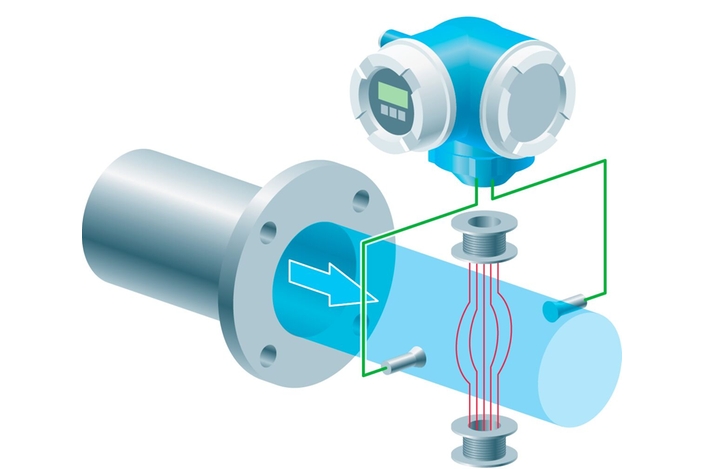
図1:光ファイバープローブは、蛍光消光を使用して酸素分子を検出し、アナライザへ正確な信号伝送を行います。

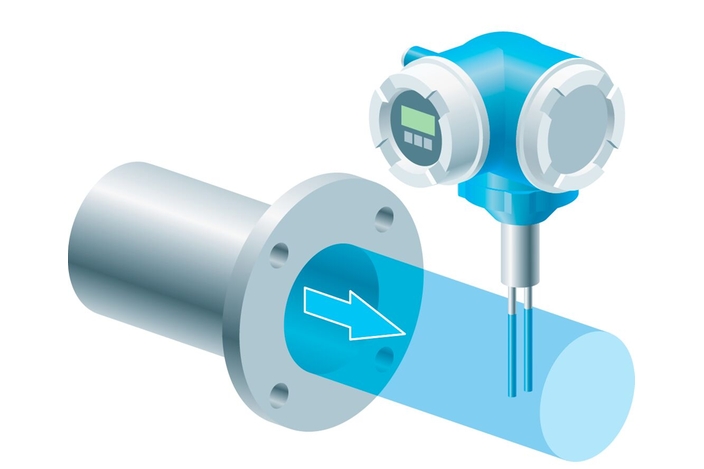
図2:青色光でセンサ先端を励起して蛍光を発光させます。酸素分子がエネルギーを吸収してこの発光を消光し、光出力を低下させます。
このサイクルにより、100万分の1(ppm)レベルからパーセント濃度まで、消耗品を使用することなく、優れた感度でリアルタイムの酸素測定を実行できます。
測定技術
蛍光消光を定量化するために使用される主要な技術は、強度ベースの検出と寿命/位相差の検出の2つです。
- 強度ベースの検出:初期の光学式酸素センサでは、基準値に対する蛍光強度の減少を利用して酸素濃度を推定していました。ただし、この方法は光源の変動、色素の劣化、光学アライメントの影響を受けやすいという欠点があります。
- 寿命/位相差の検出:最新の蛍光消光センサでは、位相変調光源を使用して励起光と蛍光の発光間の時間遅延(位相差)を測定します。蛍光寿命は分子固有の特性であるため、この方法は環境条件や光度の変化による影響を大幅に低減できます。
蛍光寿命は通常、酸素濃度の上昇に伴い、マイクロ秒単位からナノ秒単位へと減少します。この位相ベースのアプローチは、高速応答、長期安定性、高いドリフト耐性という工業用途では重要な利点をもたらします。
消光の物理特性
基本的には、蛍光消光は励起された蛍光分子と消光剤分子との衝突によるエネルギー移動のプロセスです。酸素による消光の場合、この相互作用は拡散運動と分子軌道の重なりによって制御されます。
消光の効率は、以下に示すような要素に応じて異なります。
- センサマトリクスを介した酸素の拡散速度
- 温度(拡散と衝突頻度に影響)
- 母材の粘度と構造
- 蛍光分子の励起状態の寿命
ポリマーフィルムの組成と多孔性を調整することで、酸素の拡散速度を制御し、センサの応答時間と感度を最適化できます。
センサの設計と動作
一般的な蛍光消光酸素センサは、以下の3つの主要コンポーネントで構成されています。
- 蛍光センサ層(色素マトリクス):酸素感受性色素(ルテニウム錯体、白金錯体など)をドープした固体ポリマーまたはゾル-ゲル膜。この色素は光安定性と特定の消光特性に基づいて選択されます。
- 光ファイバーまたは光学窓:励起光を光源からセンサ先端まで運び、放出された蛍光を検出器に戻します。光ファイバーを使用すると、非接触式リモートセンシングが可能になります。
- 検出/電子モジュール:光源、フォトダイオードまたは光電子増倍管、および位相/強度の変化を測定する信号処理電子モジュールなどが含まれます。
これらのコンポーネントは、多くの場合、堅牢な産業用センサの構造に組み込まれ、プロセスガスライン、環境プローブ、バイオリアクタなどで使用されますが、基盤となる測定原理は同じです。
蛍光消光の利点
蛍光消光システムが産業測定に導入される主な理由は、従来の技術に比べて光学式による簡便性が高く、化学物質に対する堅牢性に優れているためです。蛍光消光には、以下のようないくつかの利点があります。
- 酸素に対する選択性:蛍光消光は、酸素に対する選択性が高く、電気化学センサでは干渉を起こすことが多い水蒸気、硫化水素、二酸化炭素に対する交差感度がほぼありません。
- 100万分の1(ppm)レベルの濃度
- 長期安定性:光学システムでは、消耗品である試薬や電解液を使用しません。安定した色素マトリクスと固体部品を使用するため、校正間隔が長く、メンテナンスを最小限に抑えることができます。
- 高速連続測定:消光は瞬時の衝突プロセスであるため、蛍光センサは酸素濃度の変化に数ミリ秒単位で反応します。これにより、動的プロセスのリアルタイム監視が可能になります。
- 安全性と互換性:蛍光消光センサは光学式の動作原理のため、サンプルが反応性の高い元素と接触することがなく、炭化水素ガス、可燃性ガス、または生体媒質中の酸素を発火や汚染のリスクなしに安全に測定できます。
蛍光消光と他の酸素測定法の比較
酸素の分析には他にもいくつかの技術が使用されており、それぞれに固有の長所と短所があります。それらを比較すると、蛍光消光を最も効果的に活用できる環境などがわかります。
蛍光消光
- 動作原理:励起色素の衝突消光の光学的検出
- 標準測定範囲:ppm~%
- 長所:高速、選択性、消耗品なし、低ドリフト
- 短所:センサの初期コストが比較的高価
ジルコニア
- 動作原理:高温下で固体ジルコニア電解液を介した電気化学反応を利用して酸素の分圧を測定
- 標準測定範囲:%
- 長所:高温時でも高精度、過酷な産業環境にも対応する堅牢性
- 短所:加熱素子が必要、低温時の応答が低速、測定範囲が%のみ
電気化学
- 動作原理:電解液中の酸素と電極間の化学反応による電流生成
- 標準測定範囲:ppm~%
- 長所:低コスト、シンプルな電子回路
- 短所:定期的なセル交換が必要、H₂Sおよび湿気の影響を受けやすい
常磁性
- 動作原理:酸素を磁場に引き付けて、磁気トルクを測定
- 標準測定範囲:%
- 長所:高濃度の場合に高精度
- 短所:H₂Sまたは炭化水素ガスには非対応、測定範囲が%のみ
ガスクロマトグラフィ
- 動作原理:キャリアガスとカラムを介して酸素を分離/検出
- 標準測定範囲:ppm~%
- 長所:高い分析精度
- 短所:低速(1サンプルあたり数分)、高メンテナンス
波長可変半導体レーザー吸光分光法(TDLAS)
- 動作原理:波長可変半導体レーザー(酸素が光を吸収する特定波長で測定)
- 標準測定範囲:%
- 長所:非接触光学式測定。in-situ測定または抽出測定に対応
- 短所:他のバックグラウンドガスとの干渉が起こる可能性あり、粉塵やエアロゾルがミラーや窓を覆う可能性あり
他の酸素測定法と比較して、蛍光消光は、腐食性の高い環境や湿気の多い環境において、独自の速度、安定性、耐久性を提供します。
校正、性能、イノベーション
温度/圧力補正
センサ層を介した酸素の拡散と色素の蛍光寿命は、いずれも温度に依存します。そのため、ほとんどのシステムに自動温度補正機能が搭載されており、多くの場合、サーミスタも内蔵されています。気相測定では圧力補正も必要になる場合があります。
センサ寿命
長年使用すると、センサフィルムに徐々に色素の光退色や表面汚染が起こる場合があります。ただし、最新の材料を使用した場合は、3~5年以上のセンサ寿命が一般的です。
校正およびメンテナンス
一般的な校正では、センサを既知の酸素濃度にさらします(例:窒素:ゼロ校正、空気:スパン校正)。蛍光ベースのセンサは安定性が高いため、電気化学式のセンサと比較して再校正はほとんど必要ありません。
先端材料
ゾル-ゲルハイブリッド、シリカナノ粒子、フッ素化ポリマーなどの新しいセンサマトリクスにより、蛍光消光センサの動作範囲が拡大し、環境耐性が強化されています。これらの材料は色素の安定性を高め、光退色を低減します。
多重光センシング
光ファイバーネットワークの近年の進歩とフォトニクスの小型化により、酸素、pH、温度測定機能を1つのプローブに統合したマルチパラメータセンサが利用可能になっています。
寿命ベースのイメージング
生物学やマイクロ流体の研究では、蛍光寿命イメージング顕微鏡(FLIM)で同じ原理を使用して、顕微鏡スケールで酸素の空間マップを作成し、細胞挙動や代謝プロセスに不可欠な勾配を解明しています。
さまざまな産業におけるアプリケーション

- 天然ガス処理 - 天然ガスストリームに酸素が混入すると腐食が生じ、爆発性混合気体の生成や製品品質の低下を引き起こす可能性があります。光学式蛍光センサでは、ガスの収集から供給まで高精度の連続酸素測定が可能なため、事業者はシステムの完全性を確保できます。
- エネルギー転換 – 二酸化炭素の回収・利用・貯留(CCUS)アプリケーションでは、酸素は汚染物質として除去する必要があります。バイオガス/バイオメタンアプリケーションでは、嫌気性発酵を利用するため、消化槽での漏れの有無を確認するために酸素測定が必要になります。最終的なバイオメタン品質についても、酸素が低ppmレベルであることが求められます。グリーン水素アプリケーションでも、酸素測定が必要です。
- バイオプロセスおよび発酵 - バイオテクノロジーでは、溶存酸素制御が細胞代謝に不可欠です。蛍光センサは、電気化学プローブのドリフトや滅菌の問題を回避するために、発酵槽において広く利用されています。
- 環境/水質監視 - 蛍光消光により、天然水および排水に含まれる溶存酸素(DO)を測定します。蛍光消光センサは優れた耐久性により長期間の運転が可能で、メンテナンス作業を低減できます。
- 医療およびライフサイエンス - 組織酸素化からマイクロ流体システムまで、蛍光センサは生理学的研究や薬理学的研究に不可欠な、少量での光学式非接触酸素マッピングを可能にします。
- 航空宇宙およびエネルギーアプリケーション - 電磁干渉の影響を受けない光ファイバーベースの蛍光消光システムは、精度と応答速度が重要となる航空宇宙試験、燃焼研究、燃料電池監視などに活用されています。
蛍光消光に関するよくある質問
参考資料
- Berlman, I.B. Handbook of Fluorescence Spectra of Aromatic Molecules、第2版、Science Direct
- Demtröder, W. Laser Spectroscopy: Basic Concepts and Instrumentation、第2版、Springer
- Endress+Hauser TDLASおよびQFアナライザ技術ガイド
- Fluorescence Quenching、ScienceDirect、Elsevier
- Lakowicz, J. R. Quenching of Fluorescence、Principles of Fluorescence Spectroscopy、第3版、2006 年、Springer
- Lakowicz, J. R. 他 The Centenary of the Stern–Volmer Equation of Fluorescence Quenching、Journal of Photochemistry and Photobiology C: Photochemistry Reviews、vol. 40、2019 年、ScienceDirect
- Stokes Shift、IUPAC Compendium of Chemical Terminology (Gold Book)、International Union of Pure and Applied Chemistry
- The Stokes Shift、Chemistry LibreTexts、Providence College
- Valeur, B. & Berberan-Santos, M.N. Molecular Fluorescence: Principles and Applications、第2版、Wiley-VCH