Why NAMUR NE 107 matters for device health
Reliable device health information is essential for maintaining production efficiency, ensuring product quality, and minimizing unscheduled downtime.

要約
- Without standardized diagnostics, plants would face overwhelming amounts of technical data with little clarity on interpretation or corrective action—leading to inefficiency and potential process disruptions.
- NAMUR NE 107 provides clear recommendations for standardizing health status information across devices.
- By categorizing diagnostics into simple, actionable status indicators, it eliminates complexity and enables faster decision-making.
- Adopting NAMUR NE 107 simplifies monitoring, improves maintenance strategies, and supports predictive approaches, helping plants maintain high performance while reducing operational risk.


Benefits of NAMUR NE 107 for device health status
Plant operators and technical teams share the common goal of maintaining process stability and product quality, but their information requirements differ significantly. Operators focus on keeping production running smoothly, avoiding unscheduled shutdowns, and ensuring consistent output. They require clear, simplified process data and health status indicators without unnecessary complexity.
Technical teams—technicians and engineers—need detailed diagnostic information to maintain instrumentation accuracy and prevent failures before they occur. Their work involves deeper analysis and troubleshooting, requiring comprehensive device data.
NAMUR NE 107 bridges these two perspectives by standardizing health status reporting across all devices. It simplifies complex diagnostics into four clear status categories, enabling operators to quickly interpret device conditions while allowing technical teams to access additional details through intelligent device management (IDM) systems. This approach reduces complexity, accelerates decision-making, and supports proactive maintenance strategies.
NAMUR NE 107 status signals explained
Standardization of device health information is essential for efficient plant operation. NAMUR NE 107 addresses this need by defining four clear status categories, represented by standardized icons and colors, ensuring consistency across vendors and simplifying interpretation:
- Check Function: Low severity; priority 2. Indicates a temporarily invalid signal, such as forced outputs during loop tests.
- Maintenance Required: Low severity; priority 3. The device is functioning but nearing the end of its lifecycle, for example, a pH sensor approaching replacement.
- Out of Specification: Medium severity; priority 4. The device is operating outside permissible limits or parameters.
- Failure: High severity; priority 1. Represents an invalid signal caused by a malfunction in a sensor, instrument, or actuator.
Severity vs. priority
Severity reflects the impact of an incident on system functionality, while priority determines the urgency of corrective action. High severity issues affect process integrity, whereas high priority issues require immediate attention.
This table presents the colors, shapes, and symbols for each signal to show how easy it is to identify each status at a glance:

With NE 107, operators receive simple, uniform health-status signals instead of numerous error codes, reducing complexity and improving response times. Technical teams can access detailed diagnostics through intelligent device management (IDM) tools such as FieldCare using FDT/DTM technology.

Interpreting health status signal
A health status signal can represent multiple diagnostic conditions depending on the device type. Without a structured monitoring system, this information often appears fragmented across device displays or control consoles, making interpretation time-consuming and complex.
Digital services such as Netilion Health organize diagnostic data into a clear, actionable format, allowing users to access detailed information with minimal effort. This approach simplifies troubleshooting and supports predictive maintenance strategies.

For example, a radar level transmitter may provide diagnostics related to sensors, electronics, configuration, and process conditions. These represent only a portion of the available data; comprehensive diagnostic details can be found in the manufacturer’s technical documentation.
How to access device health status efficiently
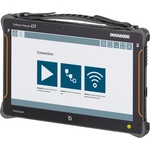
Field communicators provide local access to device health information, allowing technicians to check diagnostics directly at the instrument. However, many devices still operate using traditional analog signals, which limits the availability of detailed diagnostic data. Even with digital communication, gaps in knowledge or accessibility often prevent teams from fully utilizing health status information.
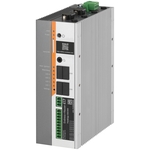
Industrial Internet of Things (IIoT) services now offer a more efficient approach. By connecting gateways and edge devices, diagnostic data from self-monitoring instruments can be collected and transmitted securely to the cloud. Technologies such as WirelessHART or PROFIBUS enable this connectivity, making health information accessible anytime and anywhere.
Solutions like Netilion Health democratize access to device diagnostics, providing organized data that supports predictive maintenance, improves production reliability, and enhances team efficiency. This integration reduces complexity and ensures that critical health information is available when needed.
Is the NAMUR NE 107 new?
NAMUR NE 107 is not a recent development; it has been an established standard for years. What is new, however, is the way this information can now be accessed and utilized. Industrial Internet of Things (IIoT) cloud platforms have transformed the handling of diagnostic data, making it easier to view, interpret, and organize through dashboards, archives, and other structured tools.
While detailed analysis still requires control systems and intelligent device management (IDM) software, IIoT platforms provide simplified access to essential data, alerts, and historical records. This integration enhances visibility and supports proactive maintenance strategies, improving overall plant efficiency.